Painting is one of those trades where the smallest choices make the biggest difference. Switch the primer, change the brush, tweak the drying time, and you alter the finish, the smell in the room, and the project’s footprint on the environment. Over the past decade, I’ve worked across Leicestershire and Rutland, from terraced houses in Melton Mowbray to listed cottages in Oakham and Stamford, and I’ve watched eco-friendly painting go from a niche concern to the default request. People want rooms that look beautiful, feel healthy, and don’t leave a trail of chemical solvents behind. That’s achievable, but it takes more than picking a tin that says “green” on the front.
Superior Property Maintenance & Improvements61 Main St
Kirby Bellars
Melton Mowbray
LE14 2EA
Phone: +447801496933
Eco-friendly painting means careful preparation, choosing low-impact materials with the right certifications, and using techniques that reduce waste. It also means thinking locally. Working as a Painter in Melton Mowbray, I plan around our weather, older brick types, and the quirks of Victorian plaster. The same approach, adjusted for local factors, serves well for anyone seeking a Painter in Oakham, a Painter in Stamford, or a Painter in Rutland. The principles hold, the details shift. What follows is the approach I use when a client asks for a sustainable, durable, and healthy paint job, from initial assessment to final coat.
What “eco” really means in paint
Most people equate eco-friendly paint with low VOC labels, and that’s half right. Volatile organic compounds off-gas into your home and the environment. They cause headaches, irritate lungs, and in poorly ventilated spaces can linger for weeks. Low or zero VOC paints address that, but they’re not the entire story. Binders, pigments, preservatives, packaging, transport, and disposal all contribute to a paint’s impact.
When I assess a product, I weigh four factors. First, VOC content and off-gassing profiles. Second, the binder system, since synthetic acrylics and alkyds behave differently from plant-based or mineral systems. Third, durability, because a paint that fails in three years has a higher footprint than one that lasts eight. Fourth, washability and repairability. A paint that can be touched up without flashing saves you a full recoat later. Add in certifications like EU Ecolabel, Blue Angel, or Nordic Swan, and you have a better picture. Those marks aren’t perfect, but they help compare options beyond marketing claims.
Pigments are another blind spot. Deep blues and some historical greens can involve more resource-intensive production or added preservatives. If you love a saturated shade, ask for a formulation that achieves it with lower-impact pigments. I’ve matched bold heritage tones for townhouses in Stamford using mineral-based tints with excellent lightfastness. It takes mixing skill and test patches, but the result holds its colour without frequent repainting.
Choosing the right paint for the job
As a rule, the greener product is the one that performs well in the intended space. I see many eco projects derailed by the wrong pairing: chalky paint in a steamy cloakroom, natural casein paint on a kitchen splash zone, or a low-odor acrylic on a damp exterior wall. Product alone doesn’t solve these issues; compatibility does.
For interiors, my short list often includes waterborne acrylics with verified low VOC, mineral paints like silicate for breathable walls, and niche options like clay or lime paints for older properties. If you have lime plaster, especially in cottages around Rutland water, a mineral paint allows the wall to breathe and release moisture. Kitchens and bathrooms do best with durable acrylics that resist steam and wipe clean. I’ve tested paints in real kitchens, measuring sheen retention after a thousand scrub cycles on sample boards. A semi-matt that survives cleaning beats a dead-matt that looks tired after six months.
For exteriors, durability rules. In Melton Mowbray, wind can drive rain sideways against gable ends. On exposed sites, I lean toward high-quality waterborne masonry paints with elastomeric properties, or silicate systems on mineral substrates. Timber trim benefits from waterborne alkyd-urethane hybrids that keep VOCs down and resist UV. You trade a slightly longer cure time for fewer repaints, which is a net win for the environment and your wallet.
Prep work that makes paint last
Sustainability starts with surface prep. A finish that peels or fails early is wasteful, no matter how green the label. I walk every job with a moisture meter, test for chalking, and look for previous coating failures. Many homes around Oakham and Stamford have mismatched patches where vinyl paint was slapped over lime, trapping moisture. That’s fixable, but only if you respect the substrate.
If I’m working on a Victorian terrace in Melton Mowbray with hairline cracks and smoke staining, I’ll spec a breathable stain-blocking primer, fill with a fine surface compound, then sand to a uniform profile using a dust-extraction sander. Dust control matters. HEPA extraction not only keeps the site cleaner, it protects your lungs and keeps micro-particles out of your garden beds and drains. On lead-risk properties, especially pre-1970s woodwork in Stamford, I test paint layers. If lead is present, I use chemical removers designed for lead-safe work, avoid dry scraping, and contain waste for proper disposal.
One client in Rutland asked why her bathroom ceiling needed so much prep when we were using a premium eco paint. The issue was condensation. Without proper surface cleaning, fungicidal spot treatment in the corners, and a hard-wearing primer, even the best product would underperform. We spent a morning on prep, ran a dehumidifier for a day, and the final coat has stayed pristine for three winters.
Real ventilation without flinging heat out the window
Low VOC paints reduce odour, not the need for fresh air. Good ventilation cures the paint film and prevents a tacky feel that traps dust. The trick is balancing air exchange and heat retention. In winter, I prefer to ventilate in short bursts. Open opposite windows for a cross-breeze of ten minutes every hour or so. If the property has trickle vents, use them, and run extractors in kitchens and bathrooms. Mechanical ventilation with heat recovery is ideal but not essential.
For sensitive households in Oakham with newborns or allergies, I plan a Residential House Painter superiorpropertymaintenance.co.uk rolling schedule. Paint the spare room first, then rotate. Give each room 48 hours to off-gas, even with low VOC paints. If a space must be occupied, I choose paints with verified near-zero VOCs and apply thin coats with plenty of dry time. I’ve brought readings down to the 10 to 50 micrograms per cubic meter range in 24 to 36 hours with disciplined cycles of ventilation and warm, steady temperatures.
Brushes, rollers, and the waste no one sees
Tool choice shapes waste. Microfibre rollers lay paint smoothly at lower film thickness, which often saves 10 to 15 percent paint compared to fluffy rollers. A good synthetic brush with flagged tips cuts in cleanly, reducing the urge to mask everything with yards of plastic tape. When masking is necessary, I prefer paper-backed tapes and reusable edge guards. For floors, I use heavy-duty cotton drop cloths, not plastic sheeting that tears after one job.
Cleaning practices are a quiet environmental swing factor. I keep three rinse buckets: dirty, medium, and clean. By stepping down through them, I stretch water usage and reduce the paint-laden load going down the drain. When possible, I decant roller washings into a settling tub, skim the water, and let solids cure before disposal with general waste. Some councils around Rutland and Melton Mowbray accept dried paint scrapings as non-hazardous. Liquids are another story; they need proper handling.
Colour choices that age gracefully
A sustainable paint job is one you won’t rush to change. I encourage clients to think beyond trends. Warm off-whites with a yellow or red undertone feel calm in the grey light we get for much of the year. If you want drama, consider deep tones on accent walls that are easy to repaint without redoing a whole room. In period homes around Stamford, muted greens and stony taupes complement local stone and brick, keeping the look cohesive from inside to outside.
Light reflectance value matters. High LRV paints bounce more daylight, so you can dial back on artificial lighting. In narrow terraces, a ceiling with an LRV above 80 can lift the whole space. On exteriors, I avoid very dark shades on south-facing sashes. They look striking for the first year, then UV and heat work on the timber. Mid-tones age better, and the repaint cycle stretches.
When natural paints shine, and when they don’t
Lime and clay paints have their place, especially in older properties. They regulate humidity and create soft, beautiful finishes with subtle movement. The limitation is abrasion resistance. In busy hallways with kids, pushchairs, or dogs, a clay paint will develop scuffs. One family in Oakham loved the matte depth of a clay finish but worried about fingerprints. We went with a two-coat clay paint and a breathable clear glaze in traffic zones. It altered the sheen just enough to make cleaning easy without sealing the wall like plastic.
Casein paint sits between lime and acrylic. It’s based on milk protein, breathes well, and looks velvety. I use it in bedrooms and studies with good ventilation. It’s sensitive during application. Temperature fluctuations, hard water, and over-brushing can cause lap marks. The payoff is a finish that feels rich and natural, ideal for quiet rooms.
Exteriors in our climate
Our weather patterns around Melton Mowbray, Oakham, and Rutland are perfect for testing patience. A sunny morning flips to drizzle by lunch, and masonry never fully dries in shady spots. I schedule exterior work within temperature ranges the manufacturer recommends, often between 8 and 25 degrees Celsius, and watch the dew point closely. Paint on a surface that’s cooling toward dew point, and you’ll see micro-blushing by morning.
With older brick or stone, I often switch to silicate paints. They mineralize with the substrate, allowing vapor to pass. They can’t go over non-mineral coatings, though, so I test compatibility and, if needed, remove impermeable layers. For timber, I sand to a feather edge, treat end grain, and prime knots. Waterborne primers with shellac or modern alternatives block resin bleed without heavy solvent odours. The extra pass on end grain and joints is the difference between a tidy exterior for five years and flaking after two winters.
The economics of going green
Clients sometimes assume eco equals expensive, and in some cases the tin price is higher by 10 to 30 percent. The math changes when you factor lifespan, reduced touch-ups, and healthier indoor air. On a four-room interior repaint, using higher-grade low VOC acrylics with a durable finish added roughly 8 to 12 percent to materials. Labour stayed the same, and projected maintenance dropped. One rental in Stamford went from annual touch-ups to a three-year gap. Less downtime, fewer calls, and happier tenants.
Energy use falls too. Paints with higher light reflectance reduce daytime lighting. Breathable finishes on solid walls help moisture move, which keeps mould at bay and reduces dehumidifier use. The gains are incremental, but they add up across a whole house.
Common pitfalls and how to avoid them
I’ve been called to fix “eco” projects where the intent was right and the execution missed. The most common mistake is using the right product in the wrong place. Another is skimping on primer to save cost, which rarely pays off. Then there’s shade matching between batches. Natural formulations can vary slightly. I always buy enough for the full project and box the paint, which means mixing all tins into one batch for consistency.
Ventilation is another trap. Low odour tempts people to close windows too soon. Trapped humidity slows curing, especially in corners and behind furniture. Give it time, even when it looks dry. Two days of patience grants years of durability.
Local knowledge: Melton Mowbray and neighbours
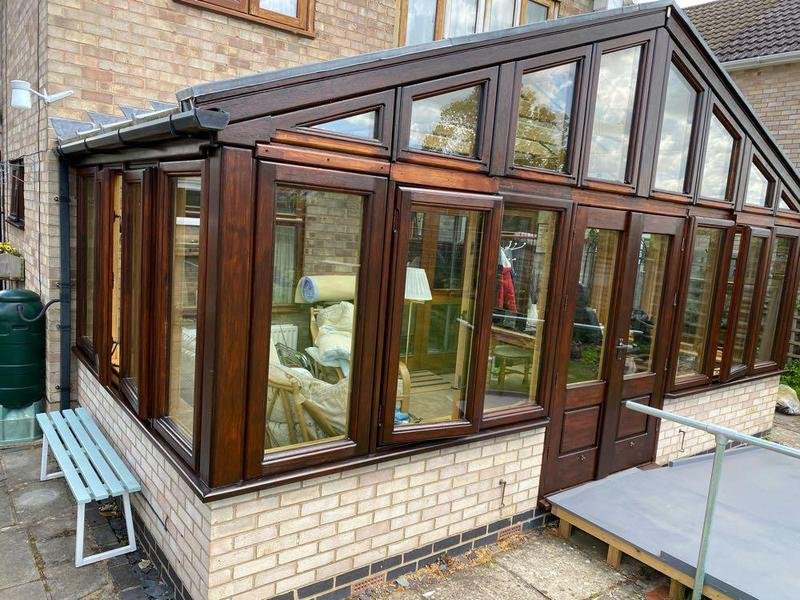
Working as a Painter in Melton Mowbray, I’ve learned that many homes have patchwork histories. One room plastered with gypsum, the next still in lime, and a conservatory with high solar gain that bakes paint films if you choose the wrong sheen. Matching systems to substrates is the craft.
Nearby, a Painter in Oakham sees more heritage cottages with low ceilings and small windows. Breathable, lighter-toned palettes bring airiness without losing character. A Painter in Stamford often contends with conservation rules and stone that leaches salts. Salt migration shows as fluffy white blooms under paint. The fix isn’t another coat. It’s desalination with poultice or breathable coats and time. And a Painter in Rutland will know the wind patterns around Rutland Water that dry one elevation fast and keep the other damp until noon. That shapes scheduling as much as any specification sheet.
A practical plan for a sustainable repaint
- Assess the substrate: test for moisture, chalking, lead, and previous coatings. Note room use and ventilation. Choose compatible products: low or zero VOC where possible, breathable on mineral or lime, durable acrylics in wet rooms. Prepare thoroughly: clean, repair, prime for the substrate, and control dust with extraction. Apply smarter: right tools, thin even coats, proper dry times, and controlled ventilation. Manage waste: settle wash water, dry residues, recycle tins when clean, and store leftovers for touch-ups.
Case notes from recent jobs
In a semi-detached in Melton Mowbray, the brief was a child’s bedroom with bright colour, low odour, and wipe-clean walls. We selected a zero-VOC base tinted to a berry tone with low-impact pigments, primed with a sealer that blocked a marker-pen mural, and applied two thin coats. We maintained a steady 20 degrees Celsius with intermittent cross-ventilation. The family slept in the room after 48 hours with no complaints of smell or irritation. Eighteen months on, I checked the space. A couple of scuffs near the skirting, easily removed with a damp cloth, and no colour fade.
An 1880s cottage near Oakham had lime plaster walls patched with modern filler around sockets, causing ghosting rings. We scraped out poorly bonded filler, used a lime-compatible fine filler, and went with a casein primer followed by two coats of mineral paint. The house held a consistent humidity around 50 to 60 percent after the job, and the damp corner behind a dresser stayed clear.
A Stamford townhouse with south-facing sash windows suffered from flaking paint on the exterior sills. The previous coat was a dark gloss that intensified heat absorption. We stripped failing areas, eased open joints, sealed end grain, and shifted to a mid-tone satin waterborne alkyd. We explained the colour change as a durability move. Three summers later, the sills still look crisp, and joints remain tight.
Indoor air quality and sensitive households
If someone in the home has asthma or chemical sensitivity, planning is everything. I schedule painting in phases, create clean air zones, and deploy activated carbon filters during work hours. I use sealable tools containers to limit odour in the evenings and store paint outside the living zone. With the right products and controls, we can keep TVOCs low enough that even sensitive clients feel comfortable staying in the home during a repaint. It’s not a promise I make lightly, but with careful testing and monitoring, it’s achievable.
Small choices that add up
There are dozens of micro decisions that make a project greener. I choose local merchants when possible to reduce transport, return unused unopened tins, and rehome leftover paint to community workshops. I label every tin with room, wall, and date, so touch-ups later don’t require guesswork or a full repaint. I cut in freehand where it’s safe, reducing tape waste, and I clean rollers before they dry instead of binning them. None of these steps is glamorous, but collectively they cut waste and cost.
When to repaint, and when to repair
Sometimes the most sustainable paint job is not to repaint at all. If a wall has a few knocks, a gentle clean and strategic touch-up might be better. I blend touch-ups by feathering edges and matching sheen carefully. On satin and eggshell, I’ll test on a card first. If the paint has burnished, a full wall may be needed to avoid flashing. Timberwork that’s solid but shabby can often be revived with a light degloss, a bonding primer, and a single finish coat. That saves litres of paint and days of labour.
Working with your painter
Eco projects go smoothly when expectations are clear. Share your priorities: low odour, fast reoccupancy, durability, breathability, or all of the above. Ask for product data sheets and certifications. A good painter will explain trade-offs. For instance, a truly dead-matt finish hides surface flaws but marks easily. A washable matt or soft sheen compromises slightly on flatness and pays you back in longevity. Make those decisions with your future maintenance in mind.
If you’re comparing quotes from a Painter in Melton Mowbray, a Painter in Oakham, or a Painter in Stamford, look beyond the bottom line. Ask about substrate testing, dust control, drying schedules, and waste management. A detailed plan signals fewer surprises and a finish that lasts.
Final thought
Eco-friendly painting is not a trend, it’s craftsmanship with more variables accounted for. Respect the building, respect the air in your home, and choose materials that earn their keep. The finish should look effortless, even though the process behind it is anything but. Whether you’re working with a Painter in Rutland on a farmhouse makeover or refreshing a modern semi with a Painter in Melton Mowbray, the same principles guide a cleaner, calmer, longer-lasting result: good prep, smart product choices, and a steady hand.